


Analysis of galvanized plastic in the automotive industry
2 January 2024
Off-axis parabolic mirror alignment guide
4 March 2024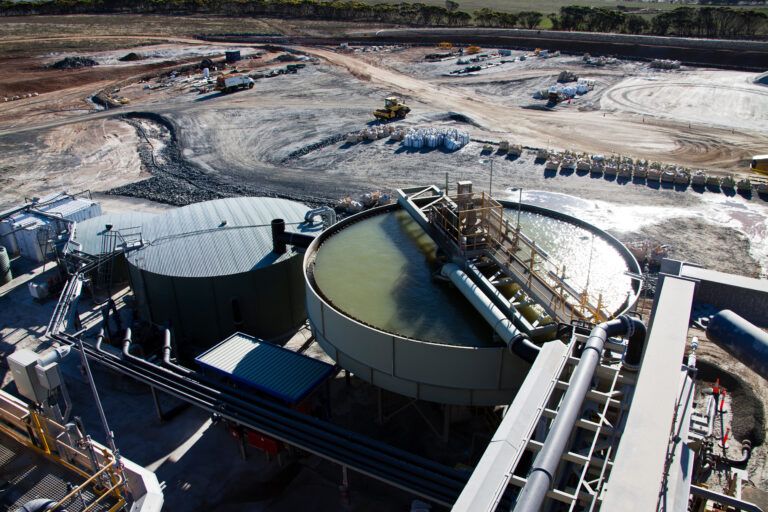
Advantages of LIBS technology in lithium extraction
Lithium is experiencing intense demand due to the rapid growth of the electric vehicle market. According to forecasts, global lithium demand is expected to continue growing at an astonishing rate of 33.3% per year, requiring a corresponding increase in mining activity.
Lithium extraction processes can vary depending on geological, financial, or environmental factors. Today, this metal is mainly extracted from brines (60–70% of global production) and hard rock deposits (20–30% of global production).
How can LIBS be useful throughout the extraction process?
- Rapid elemental analysis: LIBS analyzers can quickly and accurately identify the elemental composition of geological samples, providing essential data for mineral exploration and mining operations. Compared to many competing technologies, LIBS can also efficiently analyze light elements (H–Mg), which is crucial for lithium mining.
- Cost-effectiveness: By delivering instant results, LIBS analyzers help miners make informed decisions quickly (real-time, on-site monitoring), which can reduce operational costs and increase efficiency.
- Quality control: LIBS analysis can be used for ore quality control, helping miners to sort and classify materials more effectively. It can also monitor ore grades and compositions in real time during the extraction process, enabling better resource optimization.
- Safety: LIBS does not require hazardous chemicals or radioactive sources, making it a safer analytical method for both miners and the environment.
Conclusion:
With the growing global demand for lithium, there is an urgent need to develop innovative, efficient, and environmentally friendly extraction techniques. In this context, LIBS emerges as a transformative technology. By integrating LIBS analysis into the lithium extraction process, it is possible to ensure not only faster and more efficient extraction, but also optimal use of the extracted resource, leading to significant operational cost savings.