

Carbon analysis in steel
2 January 2024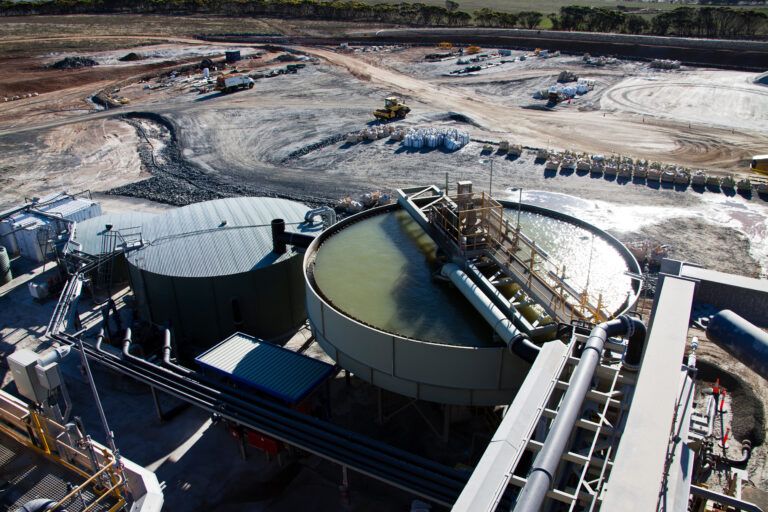
Advantages of LIBS technology in lithium extraction
2 January 2024
Analysis of galvanized plastic in the automotive industry
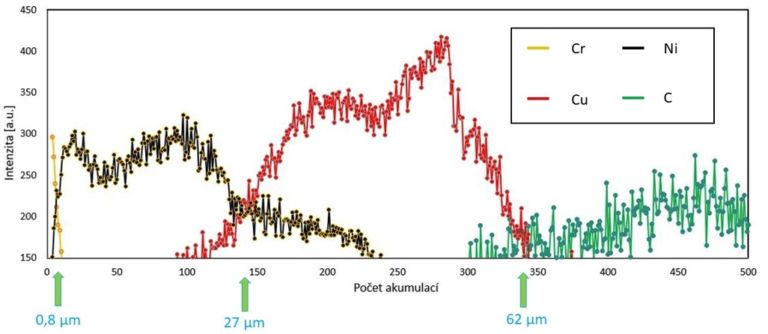
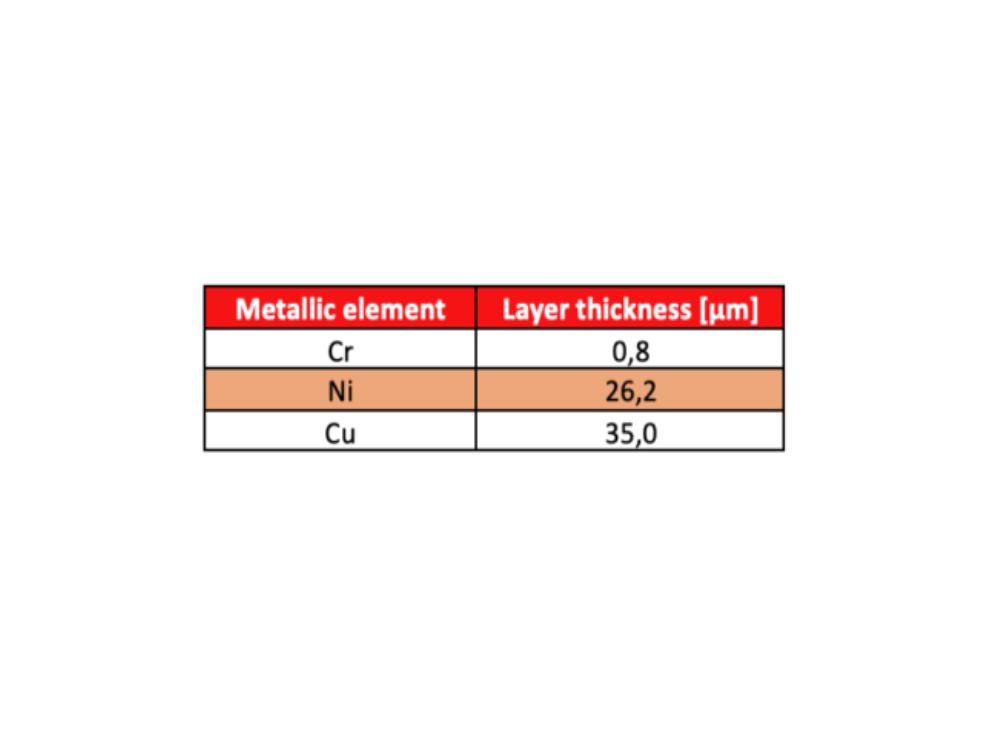
Galvanized plastic is very popular in the automotive sector due to its ability to provide a luxurious metal-like appearance and feel, while remaining lightweight and moldable like plastics. However, in order to meet industrial standards and ensure long-term performance, in-depth chemical profiling is essential to assess the integrity of the galvanic coating.
Why does LIBS outperform competing techniques in the analysis of galvanized plastic?
- LIBS offers high spatial resolution, making it ideal for examining the composition of individual layers within galvanized plastic. This is particularly important when verifying the thickness and uniformity of a chromium coating, or detecting the presence of impurities or contaminants.
- Unlike other analytical techniques, LIBS is micro-destructive. It does not destroy the sample during analysis, which helps preserve the material’s integrity for subsequent testing or use. As a result, only small non-visible surface areas of manufactured products are required for testing.
- LIBS provides real-time results, making it highly efficient for quality control in manufacturing processes. This is crucial in the automotive industry, where consistent quality is essential.
- Multi-element analysis: LIBS can simultaneously analyze multiple elements, which is advantageous when evaluating the composition of complex materials such as galvanized plastic.