


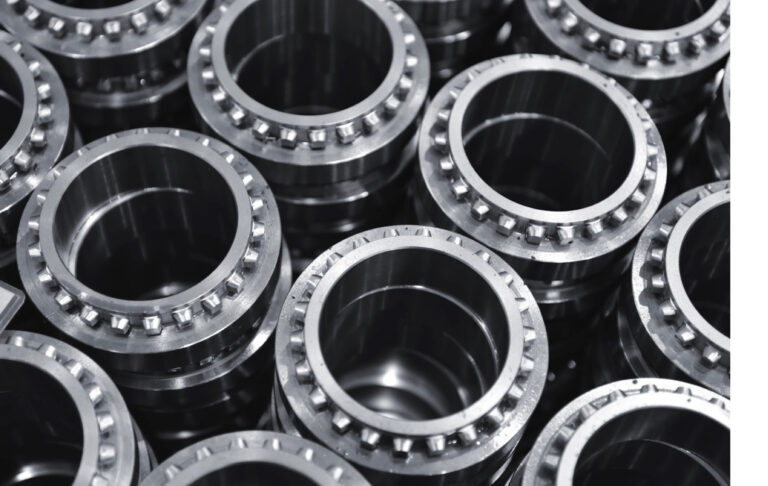
Steel, a versatile alloy of iron and carbon, is renowned for its exceptional strength and durability. Its properties can be modified by adjusting its composition. In practice, increasing the carbon content enhances hardness and strength and improves hardenability. However, it also makes the steel more brittle and reduces its weldability. It is therefore not surprising that maintaining carbon content within the desired range is a priority for steel manufacturers.
The LIBS technique is an effective method for evaluating the carbon content in steel.
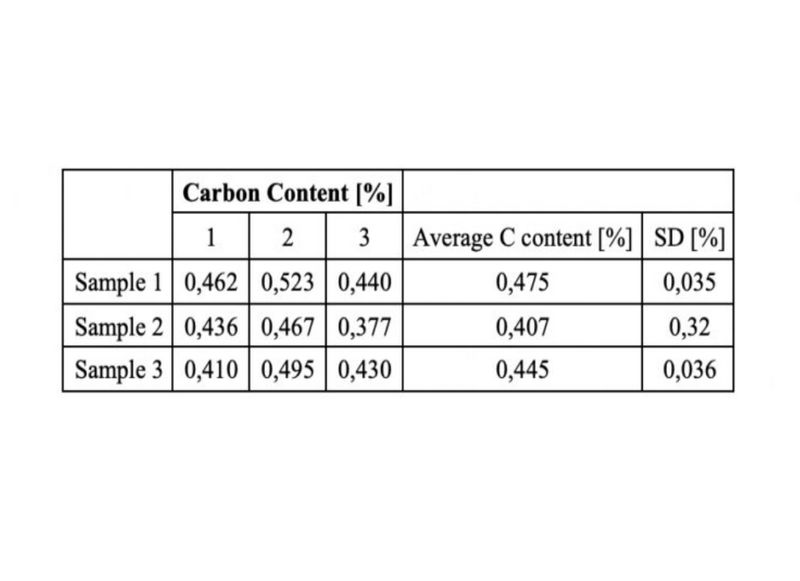
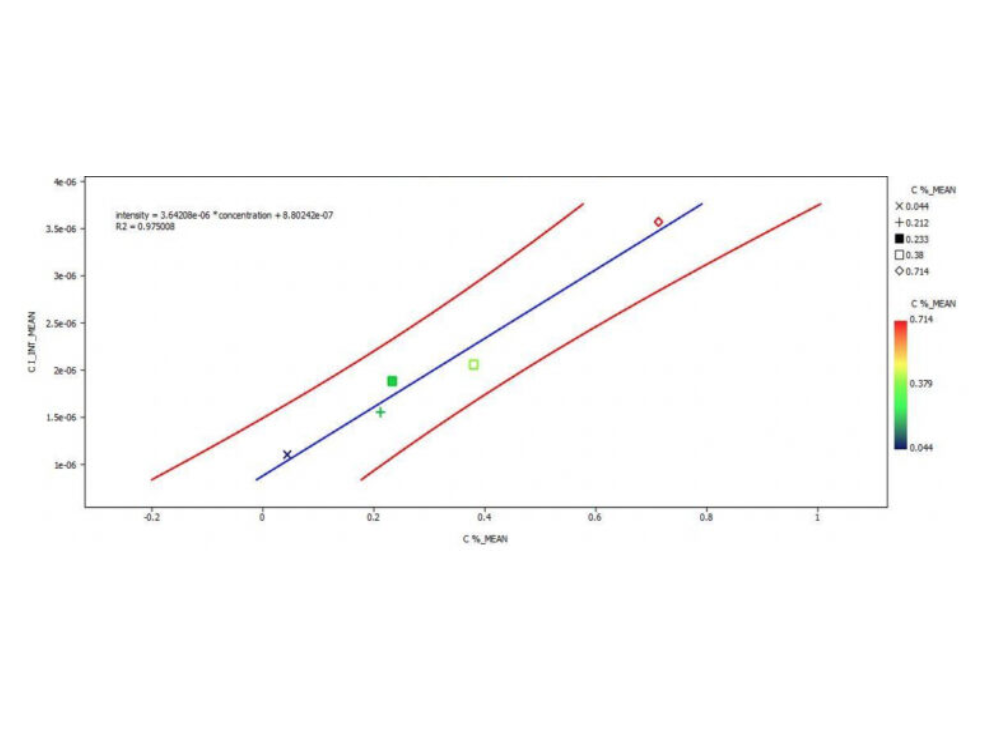
Our study demonstrates that the Sci-Trace and M-Trace instruments are capable of accurately measuring the carbon content in steel, particularly in an argon atmosphere. By establishing a calibration curve based on carefully measured standards, we were able to reliably and reproducibly determine the carbon content of steel components.